Fresh paint. Beautiful bathrooms. A stunning kitchen. Everything looks perfect. But what if the most expensive problems are hiding where you can’t see them?
You’ve finally found it.
The house you’ve been searching for.
The kitchen is gorgeous. The bathrooms look like something straight out of a renovation magazine. The backyard is perfect for summer barbecues, and there’s even enough space for the kids to run around.
You’ve inspected every room.
You’ve imagined where the furniture will go.
You’ve already started planning the housewarming party.
Everything feels right.
But there’s one question most homebuyers don’t think to ask.
What’s happening inside the plumbing?
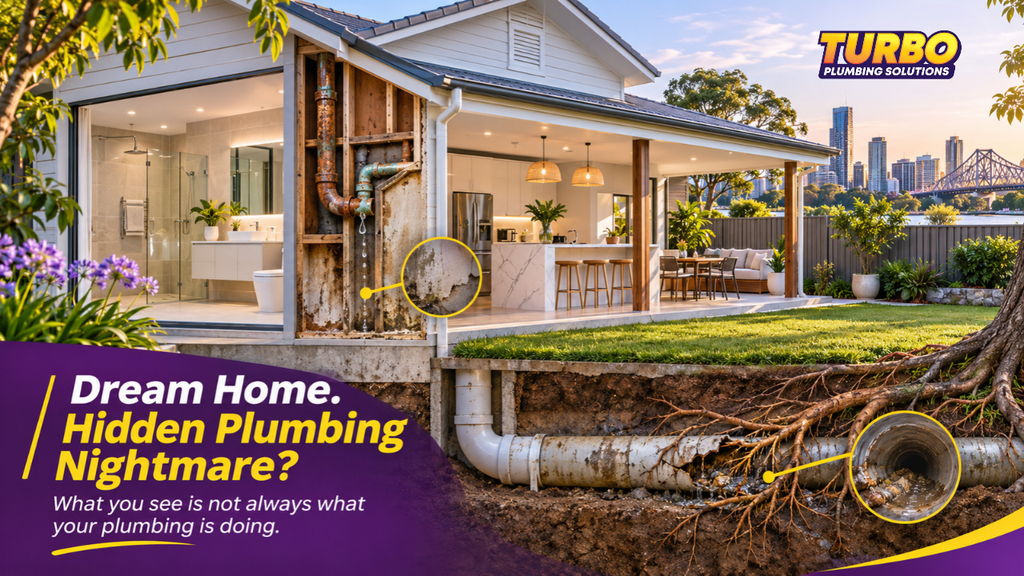
Because while you’re admiring the beautiful new tiles, there could be ageing pipes behind the walls.
While you’re imagining your morning shower, there could be drainage problems developing underground.
And while you’re celebrating the purchase of your dream home, a plumbing problem could already be waiting for its new owner.
Welcome to one of the most overlooked parts of buying a property.
The plumbing.
1. A Beautiful Renovation Doesn’t Guarantee Healthy Plumbing
Here’s something worth remembering.
A renovated bathroom doesn’t necessarily mean the plumbing behind it has been replaced.
A home might have brand new tiles, modern tapware, an expensive vanity and a beautiful rainfall shower.
But what about the pipes hidden behind those finishes?
Depending on the age of the property and the scope of the renovation, some original plumbing may still be in place.
And if those pipes are deteriorating, the beautiful new bathroom won’t make the problem disappear.
What Could Be Hiding Behind the Walls?
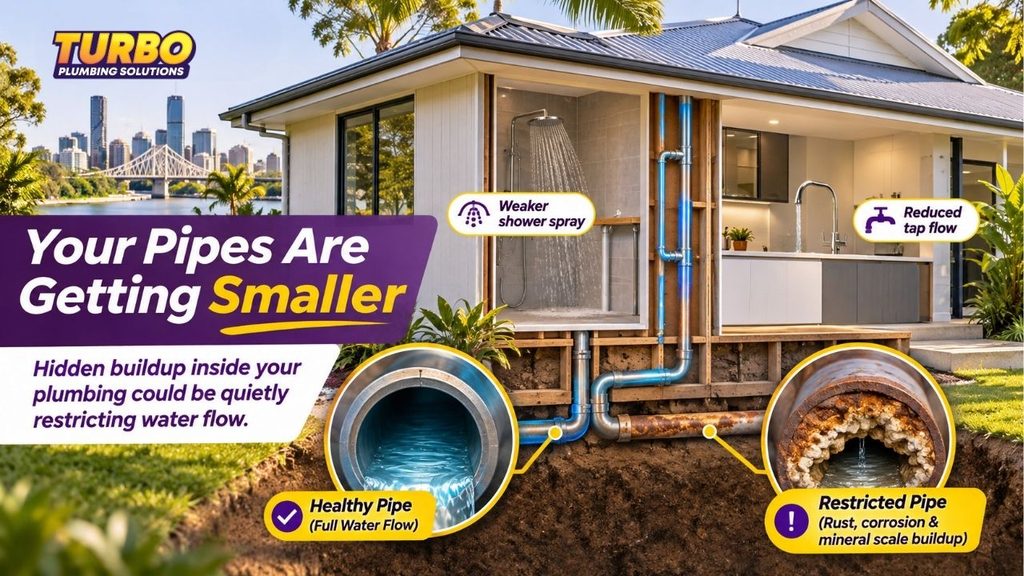
Older homes may have plumbing materials and connections that have experienced years of wear.
Depending on their condition, problems can include corrosion, leaks, deteriorated joints and restricted water flow.
Not every older pipe needs replacing.
And not every renovation conceals a problem.
However, it’s worth asking whether the renovation included plumbing upgrades or simply replaced the visible fixtures.
If the seller has documentation showing licensed plumbing work, that can help you understand what was completed.
The lesson? Don’t judge a home’s plumbing by how shiny the taps look.
2. The Underground Pipes Could Be Older Than You Think
Let’s move outside.
The lawn looks fantastic.
The garden is beautifully maintained.
The driveway is spotless.
Everything seems in excellent condition.
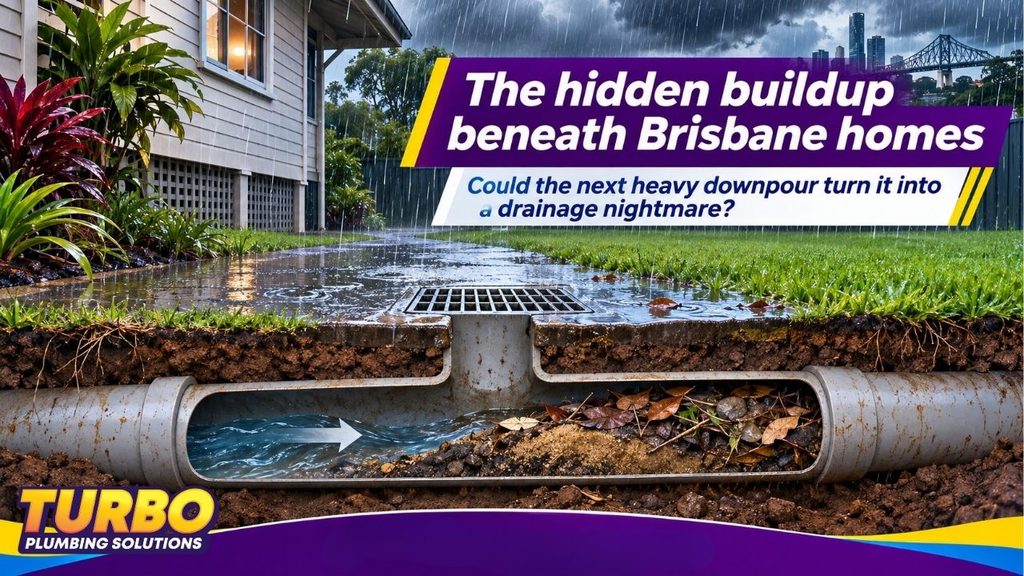
But underneath that perfectly landscaped property could be drainage pipes that have been there for decades.
And unlike a cracked tile or peeling paint, underground drainage problems aren’t always obvious during a property inspection.
What Could Go Wrong?
Depending on the pipe material, age, ground conditions and previous maintenance, underground drains may develop issues such as:
- Cracks or damaged pipe sections
- Displaced or poorly aligned joints
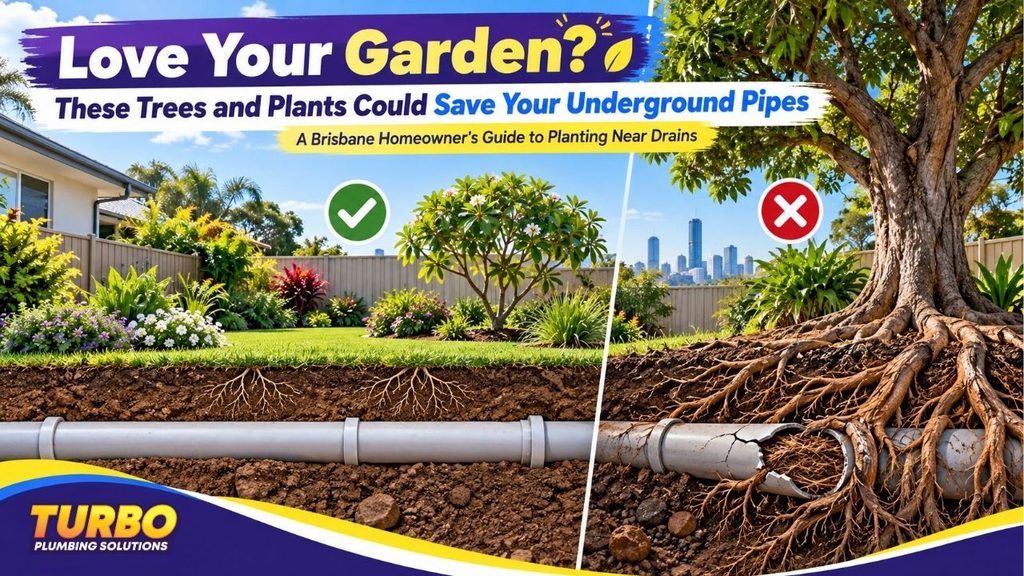
- Tree root intrusion
- Sediment accumulation
- Sections that hold water because of poor drainage falls
- Partial blockages that restrict wastewater flow
Some problems develop gradually.
Others become noticeable only when the drainage system is placed under greater demand.
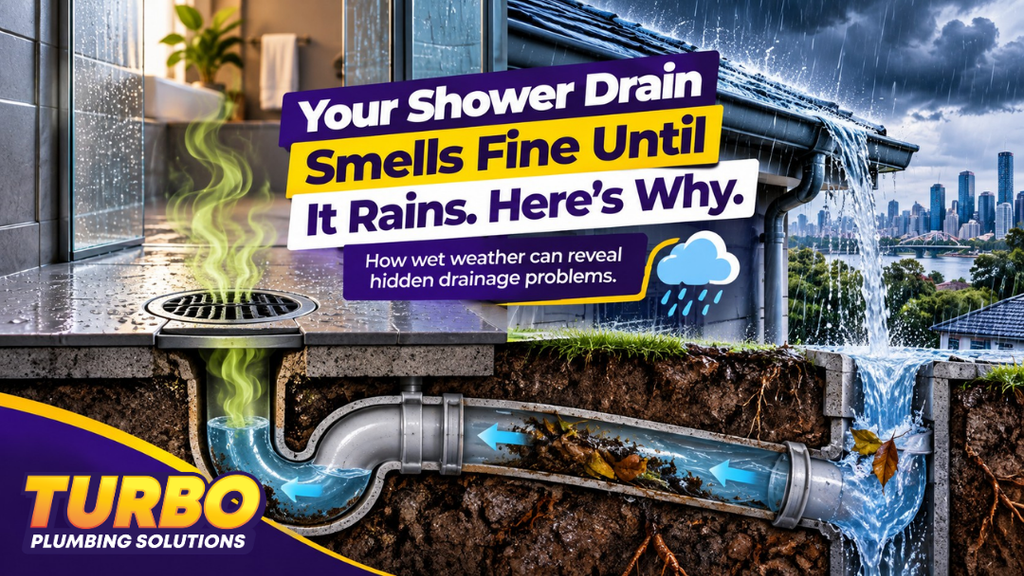
Imagine moving into your new home, inviting the family over for Christmas and discovering that wastewater is backing up through the shower.
Not exactly the housewarming surprise you had in mind.
Can These Problems Be Detected Before Buying?
A CCTV drain inspection can help a plumber assess the internal condition of accessible drainage pipes.
It may reveal cracks, root intrusion, obstructions and other visible defects.
However, it won’t necessarily inspect every pipe on the property, and some sections may be inaccessible.
The important thing is understanding what has actually been inspected rather than assuming all underground plumbing is problem free.
3. That Perfect Shower Might Be Hiding a Pressure Problem
Picture this.
You move into your new home.
It’s your first morning.
You turn on the shower, expecting a relaxing start to the day.
Instead, the water comes out with all the enthusiasm of a tired garden sprinkler.
Welcome home.
Low water pressure or poor water flow might seem like a minor inconvenience, but persistent problems can sometimes point to something that needs attention.
What Could Cause It?
Possible causes include:
- Partially closed isolation valves
- Blocked showerheads or tap aerators
- Faulty pressure regulating equipment
- Restrictions in ageing pipework
- Problems affecting the property’s water supply
- Undetected leaks
It’s also important to understand the difference between water pressure and water flow.
A shower can perform poorly because of restrictions at the fixture even when the available supply pressure is adequate.
That’s why proper testing matters.
What Should Buyers Check?
During an inspection, try the taps and showers where access is permitted.
Observe whether the water flow appears consistent.
Check how the hot and cold water perform.
And if something seems unusual, consider having the plumbing assessed before committing to the purchase.
Because a beautiful bathroom loses some of its charm when the shower barely works.
4. The Hot Water System Could Be Planning an Expensive Surprise
Here’s a detail that’s easy to overlook during a property inspection.
The hot water system.
It’s often tucked away outside, inside a cupboard or in another location that doesn’t attract much attention.
But once you move in, it becomes one of the household systems you rely on every day.
Showers.
Laundry.
Cleaning.
Kitchen activities.
And if the system is approaching the end of its serviceable life, you may inherit a replacement expense sooner than expected.
What Should You Look For?
Start by identifying the system type and checking its approximate age where that information is available.
Look for obvious signs of deterioration, corrosion or water leaking from places where it shouldn’t.
Ask whether the system has been serviced or repaired recently.
Pay attention to unusual operating noises or inconsistent hot water.
Remember that some discharge from designated relief arrangements can be normal, depending on the system.
Not every drip means the unit is failing.
However, persistent or unusual discharge should be assessed.
Don’t Assume New Fixtures Mean New Hot Water
A renovated bathroom may have modern taps and a brand new shower.
But the hot water system supplying them could be considerably older.
And when you move in with a larger household, the system’s capacity and performance may become much more noticeable.
A professional assessment can help you understand whether the system is operating correctly and whether there are concerns worth considering.
5. That Freshly Painted Wall Might Be Hiding a Moisture Problem
Fresh paint makes a home look fantastic.
It can brighten rooms, modernise interiors and make an older property feel brand new.
But fresh paint alone doesn’t tell you what’s happening behind the surface.
A concealed plumbing leak can sometimes cause moisture damage before the source becomes obvious.
And while not every damp wall is caused by plumbing, unexplained moisture should never be dismissed without investigation.
Signs Worth Paying Attention To
Look for:
- Bubbling or peeling paint
- Swollen skirting boards
- Staining around ceilings or walls
- Musty smells
- Damp cabinetry
- Unexplained mould growth
- Soft or damaged flooring near wet areas
These symptoms can have several possible causes, including plumbing leaks, roof defects, condensation or waterproofing failures.
That’s why identifying the actual source matters.
Simply painting over a damp patch doesn’t resolve whatever caused the moisture in the first place.
And if the underlying issue remains, the damage may continue.
A fresh coat of paint can change how a room looks. It can’t guarantee what’s happening behind the wall.
6. Your Dream Backyard Could Be Hiding a Drainage Problem
Brisbane homeowners love a good backyard.
Especially heading into summer.
A shaded entertaining area.
A nice patch of lawn.
A garden that looks beautiful in the afternoon sun.
But before falling in love with the outdoor space, consider how the property manages water when heavy rain arrives.
Because a backyard that looks perfect on a sunny inspection day may behave very differently during a summer downpour.
What Should You Look For?
Pay attention to the slope of the land.
Look for areas where water appears to collect.
Check whether visible stormwater grates are clear and appropriately positioned.
Notice any staining, erosion or sediment deposits that could suggest previous water movement.
Ask whether the property has experienced drainage problems during heavy rainfall.
A property may have drainage issues caused by blocked stormwater pipes, inadequate surface drainage, ground levels or other site conditions.
Not every problem can be identified by looking at the garden.
And a plumbing inspection alone may not assess every aspect of site drainage or flooding risk.
Depending on the property, additional drainage or building advice may be appropriate.
The important point is that a sunny inspection doesn’t show you what happens when Brisbane delivers a serious storm.
7. The Building Inspection Might Not Tell You Everything About the Plumbing
This is one of the most important things homebuyers should understand.
A general building inspection can provide valuable information about a property’s condition.
But it doesn’t necessarily involve a detailed assessment of every plumbing system.
The exact scope depends on the inspection service and what has been agreed upon.
For example, a standard building inspection may identify visible moisture damage or obvious defects.
However, it may not include a CCTV examination of underground drains, detailed water pressure testing or a comprehensive assessment of the hot water system.
Why Does That Matter?
Because a property can appear structurally sound while still having plumbing concerns that require specialist investigation.
A targeted plumbing inspection can complement a general building inspection by focusing on specific water supply, drainage and fixture issues.
Depending on the agreed scope and access, this may include:
- Checking accessible plumbing fixtures and connections
- Assessing visible signs of leaks
- Testing water pressure or flow where appropriate
- Examining accessible drainage systems
- Assessing hot water system condition
- Recommending CCTV drain inspection where warranted
Not every inspection includes every test.
Always confirm exactly what the plumber will inspect and what limitations apply.
And if you’re purchasing a property, make sure you understand the relevant contract conditions and inspection deadlines before arranging additional assessments.
8. The Plumbing Problem Might Already Have a History
Here’s a question worth asking before buying an established home.
Has this property experienced plumbing problems before?
Perhaps the drains have blocked several times.
Maybe a section of pipe was repaired years ago.
Or the hot water system has required repeated attention.
A previous repair doesn’t automatically mean the property is a bad purchase.
In fact, properly completed repairs and upgrades can be reassuring.
But knowing the property’s maintenance history can help you make better decisions.
Questions Worth Asking
Has the property experienced recurring drain blockages?
Have any water supply or drainage pipes been replaced?
Were major bathroom or kitchen renovations completed by appropriately licensed tradespeople?
Has the property had significant water leaks or moisture damage?
Are there invoices, warranties or records of recent plumbing work?
What is known about the hot water system’s age and maintenance?
Not every seller will have complete records.
But asking these questions can help identify areas that deserve closer attention.
9. Buying an Older Brisbane Home? Here’s Why Plumbing Deserves Extra Attention
Brisbane has plenty of beautiful established homes.
From traditional Queenslanders to older brick houses and properties that have undergone several renovations.
These homes can have enormous character.
But their plumbing may also reflect decades of repairs, upgrades and changes.
Some sections may have been replaced.
Others may still be original.
And the materials used can vary significantly depending on when the property was built and what work has been completed since.
Older Doesn’t Automatically Mean Bad
It’s important not to assume that every older home has defective plumbing.
A well maintained older property may have plumbing in better condition than a newer home with poor installation or maintenance issues.
What matters is the actual condition of the system.
A licensed plumber can help assess visible concerns and recommend appropriate testing where necessary.
Because the age of a house tells you part of its story.
The condition of its plumbing tells you another.
10. What If You’ve Already Bought the House?
Maybe you’re reading this after settlement.
The keys are yours.
The furniture is in.
And you’ve just discovered something that doesn’t seem right.
Perhaps the shower drains slowly.
Maybe there’s an unexplained smell in the laundry.
Or you’ve noticed water pressure changes that weren’t obvious during the inspection.
First, don’t panic.
Not every plumbing issue is a major defect.
Some problems may be relatively straightforward to resolve.
Others require further investigation.
What Should You Do?
Start by documenting what you’ve noticed.
Record when the problem occurs and which fixtures are affected.
Avoid using harsh drain chemicals or attempting plumbing repairs beyond your knowledge and legal authority.
If wastewater is backing up, stop using affected fixtures and arrange prompt assistance.
If there’s a significant water supply leak, isolate the water where safe to do so and contact a licensed plumber.
For less urgent concerns, arrange a professional assessment to determine the cause and appropriate repair options.
If you believe a problem may relate to the sale, disclosure or previous building work, seek advice from a qualified property professional or solicitor about your particular circumstances.
The important thing is to understand the problem before deciding what to do next.
11. The Plumbing Checklist Every Homebuyer Should Keep
Before purchasing your next home, give the plumbing some attention alongside the kitchen, bedrooms and outdoor entertaining area.
Inside the Home
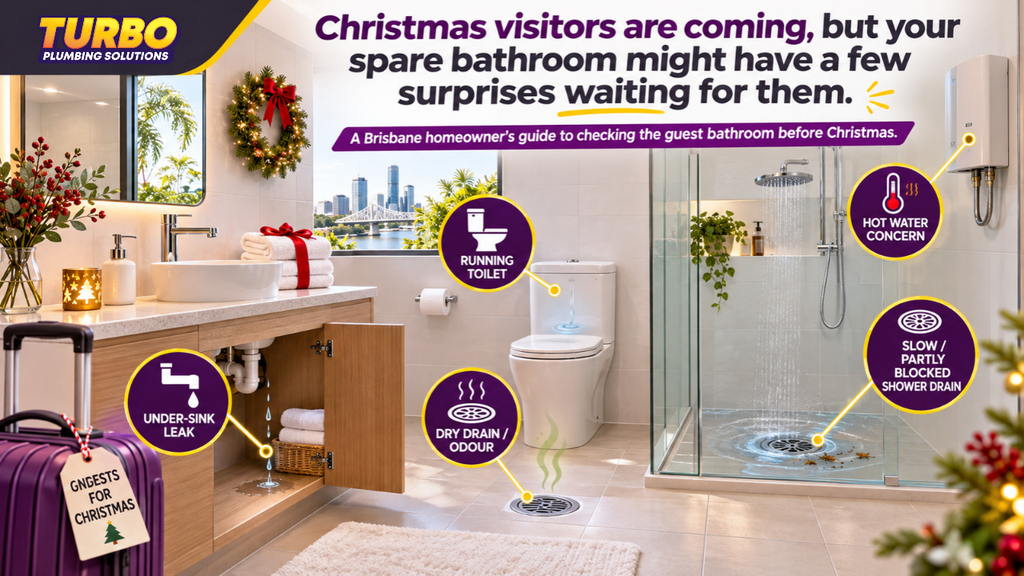
Check the taps. Do they operate normally? Is there visible leaking or unusual water flow?
Test the showers. Does water drain away properly? Are there obvious temperature or flow issues?
Flush the toilets. Do they flush and refill normally without continuously running?
Inspect under sinks. Look for moisture, staining, damaged connections and signs of deterioration.
Check the laundry. Look for visible leaks, drainage concerns and damaged fittings.
Around the Property
Locate the hot water system. Check its type, approximate age and visible condition.
Inspect outdoor taps. Look for leaks and damaged fittings.
Observe the yard. Notice unusual wet patches, drainage grates and areas where water might collect.
Ask about underground drains. Consider whether a CCTV drain inspection is appropriate, particularly if there are warning signs or a history of blockages.
Before You Commit
Review available plumbing records. Ask about repairs, renovations and previous issues.
Understand your building inspection’s scope. Don’t assume specialist plumbing tests are included.
Arrange further investigation when warranted. A targeted inspection can provide useful information before you make a major financial commitment.
You don’t need to become a plumbing expert overnight.
You simply need to know which questions are worth asking.
The Most Expensive Problems Aren’t Always the Ones You Can See
Buying a home is exciting.
There’s the anticipation of moving in.
The excitement of decorating.
The plans for the backyard.
The feeling of finally having a place to call your own.
And when a property looks beautiful, it’s easy to focus on everything you can see.
But plumbing doesn’t always give you that luxury.
Some of its most important components are hidden behind walls, beneath floors and underground.
You might never think about them when they’re working properly.
But when something goes wrong, they can quickly become impossible to ignore.
A slow drain can turn into a recurring blockage.
An ageing water pipe may develop a leak.
A poorly performing hot water system could need significant repairs.
And a hidden drainage defect might not reveal itself until the household starts using the system every day.
Not every home will have these problems.
But understanding the risks before buying can help you make a more informed decision.
Because your dream home should come with exciting surprises. Not unexpected plumbing nightmares.
Buying a Home in Brisbane Northside? Let Turbo Help You Look Beyond the Surface
Whether you’re preparing to purchase an established property or have recently moved into your new home, understanding the condition of your plumbing is an important part of protecting your investment.
At Turbo Plumbing Solutions, we help Brisbane Northside homeowners investigate plumbing concerns, including leaking pipes, blocked drains, water pressure issues, hot water problems and underground drainage defects.
Where appropriate, our team can use diagnostic methods such as CCTV drain inspections to investigate accessible drainage systems and identify potential problems.
If you’re considering a property purchase, contact our team to discuss the plumbing concerns you want assessed and which inspection services are available.
We proudly service Albany Creek, Brendale, Eatons Hill, Strathpine, Warner, North Lakes, Bridgeman Downs, Griffin, Aspley, Everton Park and surrounding Brisbane Northside suburbs.
Don’t let a beautiful home distract you from what’s happening beneath it.
Before you buy, or if something doesn’t seem right after moving in, get professional advice.
Turbo Plumbing Solutions
Phone: (07) 3130 5976
Website: turboplumbingsolutions.com.au